Five Signs Your Workwear Program Is Slowing Down Your Operation
Workwear should make the workday easier, not create additional problems for supervisors and employees. Whether you're managing a mining operation, fabrication shop, maintenance crew, or industrial facility, your uniform program should run quietly in the background while your team focuses on production.
When uniforms become difficult to manage, the effects spread throughout the operation. Employees spend time looking for garments, supervisors deal with replacement requests, and productivity suffers over issues that should already be solved.
If any of the following situations sound familiar, it may be time to take a closer look at your industrial uniform service.
1. Employees Spend Too Much Time Looking for the Right Uniforms
Every shift should begin with employees having the garments they need to get to work. When uniforms are missing, that routine quickly breaks down.
Some common warning signs include:
· Employees searching through lockers for missing garments
· Supervisors answering uniform questions every morning
· Staff borrowing clothing from coworkers
· Delays before work can begin
While each delay may only take a few minutes, those minutes add up across an entire workforce. A reliable industrial uniform service keeps garments moving through a structured pickup, laundering, inspection, and delivery schedule so employees have clean workwear available when they need it.
2. Replacement Requests Keep Piling Up
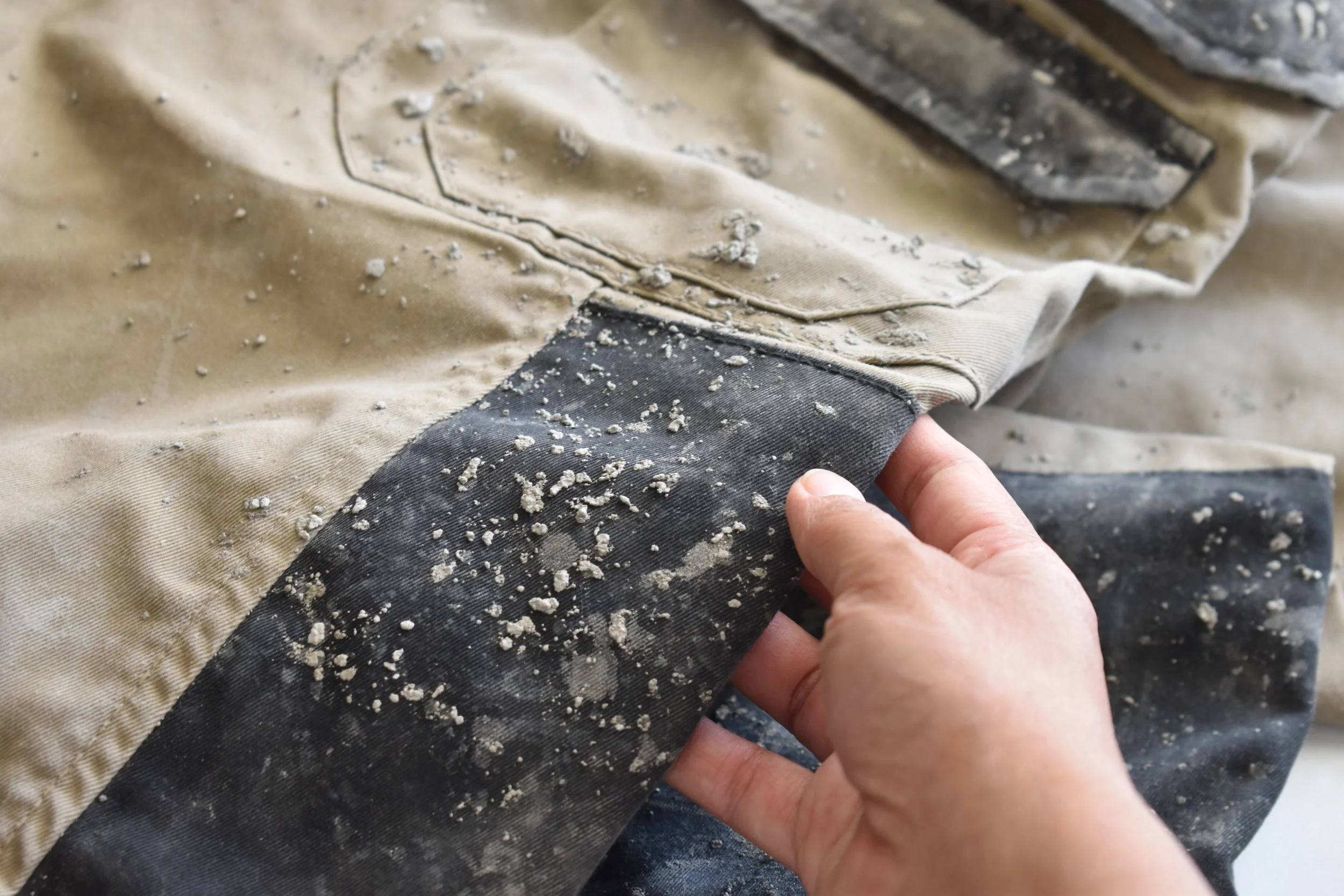
Industrial uniforms are built for demanding environments, but they're not meant to last forever. Heavy daily use eventually leads to worn cuffs, damaged seams, fading, or garments that no longer present a professional appearance.
The problem isn't that uniforms wear out. The problem is when damaged garments stay in circulation for too long. OSHA's PPE standard requires that protective equipment be properly maintained and replaced as needed, and that employees be trained in its care and useful life, a standard worth applying to workwear generally, not just PPE.
A managed workwear program should include regular inspection so items showing excessive wear can be removed and replaced before they become an ongoing issue.
When replacement requests become routine instead of occasional, it often signals that the program needs better oversight.
3. Sizing Problems Are Becoming More Common
Uniform sizing affects more than appearance.
Clothing that is too loose can become uncomfortable during physical work, while garments that are too tight may restrict movement throughout the day. As companies hire new employees or existing staff change roles, sizing needs naturally change as well.
If employees frequently report that uniforms no longer fit correctly, the issue may not be the garments themselves. It may be due to a lack of a consistent inventory update process.
A professional industrial uniform service helps businesses keep sizing current so employees receive workwear that fits properly and supports the job they perform.
4. Inventory Has Become Difficult to Track
Many facilities reach a point where no one is completely sure how many uniforms are actually in circulation.
Questions begin to surface such as:
· Were additional garments ordered?
· Is a uniform still out for repair?
· Did an employee return everything after leaving?
· Why are certain sizes suddenly unavailable?
When inventory becomes difficult to manage, unnecessary purchases often follow.
An organized uniform program helps maintain visibility into garment rotation and replacement, making it easier to keep inventory at the right level without ordering more than necessary.
5. FR Garments Are Staying in Service Longer Than They Should
For businesses that require flame-resistant clothing, garment condition deserves regular attention.
FR clothing is designed for demanding work environments, and repeated exposure to industrial conditions can eventually affect its appearance and condition. Garments that show significant wear, damage, or heavy staining should not simply remain in circulation because replacements have not yet been scheduled.
A structured workwear program includes ongoing evaluation of garments so worn items can be removed and replaced at the appropriate time. This helps businesses maintain a consistent, professional uniform program while supporting employees who depend on this specialized clothing every day.
A Strong Uniform Program Should Work in the Background
At Vogue Linen, we help businesses across northern Nevada simplify uniform management through dependable industrial uniform service. From mining operations in Elko to industrial facilities in Reno and surrounding communities, our team provides structured workwear programs designed to keep uniforms organized, maintained, and ready for the next shift.
If your current workwear program is creating more questions than solutions, contact our team through our website to learn how we can help build a program that supports your operation instead of slowing it down.